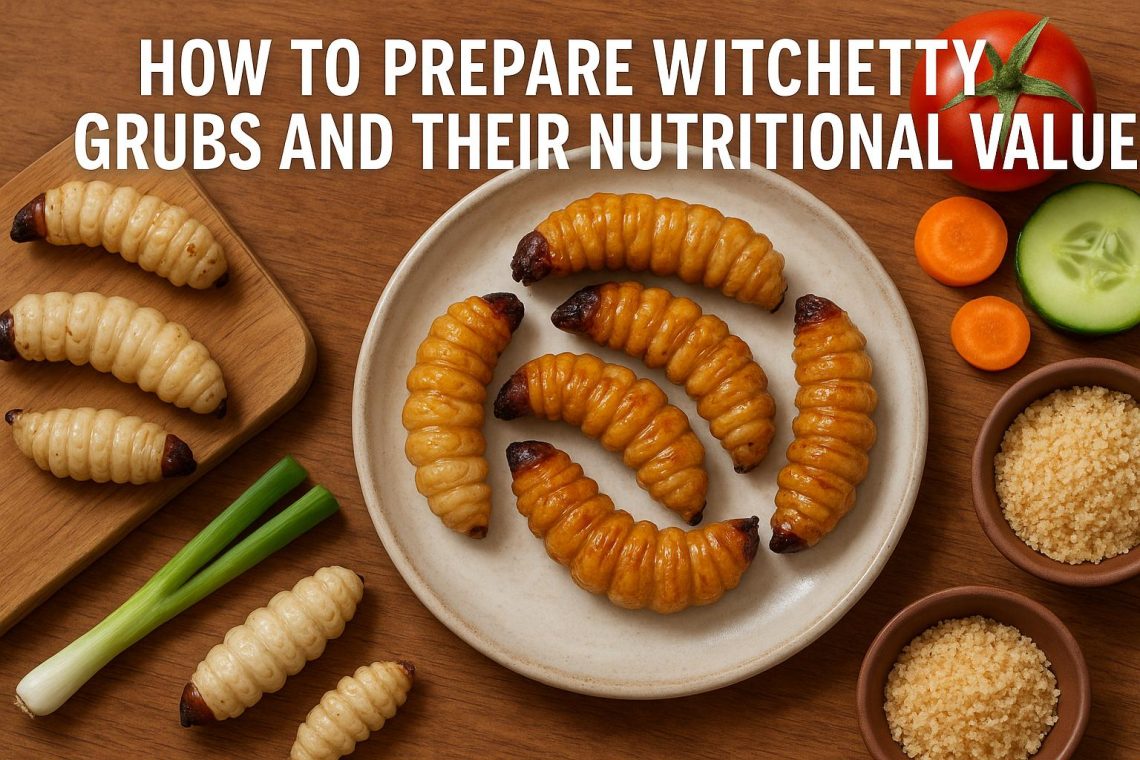
How to prepare witchetty grubs and their nutritional value.
Introduction to Witchetty Grubs
The witchetty grub, known scientifically as Endoxyla leucomochla, is an integral part of the traditional diets of various Indigenous communities across Australia. These grubs, the larvae of certain moths, have offered sustenance to these communities for countless generations, owing to their rich nutritional profile. In this article, we delve into the preparation methods and the nutrition that these unique creatures offer.
Nutritional Value of Witchetty Grubs
Witchetty grubs are celebrated as a rich source of protein. With about 9.1 grams of protein per 100 grams, they serve as a hearty addition to diets, especially important for those requiring substantial protein intake like athletes or those with physically demanding lifestyles. Additionally, these grubs are high in essential fatty acids, compounds crucial for maintaining optimal heart health. They are valuable sources of key nutrients such as iron, which is vital for the formation of red blood cells, and B vitamins, which play a significant role in energy production and maintaining overall health.
The grubs also contain healthy fats that are necessary for energy sustenance, making them beneficial for both physical activity enthusiasts and those needing more energy throughout their day. Their nutritional density makes them not just a survival food but also an option worthy of consideration for modern dietary plans that value sustainability and nutrition.
Health Benefits
Incorporating witchetty grubs in one’s diet supports various facets of health and well-being. Their high protein content aids in muscle growth and retention, which is crucial for everyone from growing children to older adults hoping to maintain muscle mass. The vitamins and minerals found within these grubs, such as B vitamins and iron, contribute to immune function and help the body fight off illnesses and infections. Moreover, the presence of healthy fats within witchetty grubs supports cardiovascular health, as these fats are known to help reduce bad cholesterol levels and promote good cholesterol.
Environmental Impact
Harvesting witchetty grubs stands as a prime example of sustainable food sourcing. Gathering these larvae requires minimal resources, making it an environmentally benign practice. Utilizing local resources like witchetty grubs helps to diminish dependency on conventional livestock farming, which traditionally has a more significant carbon footprint due to factors such as methane emission, water usage, and land degradation. Hence, choosing witchetty grubs as a dietary option not only supports individual health but also aligns with environmentally conscious values. This practice fosters the idea that indigenous food systems can contribute positively to global sustainability efforts.
Preparing Witchetty Grubs
The versatility of witchetty grubs in preparation means they can be enjoyed in various forms, from raw to cooked. While raw consumption maintains traditional approaches, cooking the grubs often makes them more palatable, especially to those who may not be accustomed to their natural flavors.
Raw Consumption
Amongst Indigenous Australians, consuming witchetty grubs raw is customary. When eaten raw, these grubs offer a nutty flavor coupled with a creamy texture. For those exploring this form of consumption, it is imperative to ensure they are harvested fresh to maintain taste and safety. While the taste might initially be an acquired one for newcomers, this method of consumption remains vital within cultural practices and offers a direct connection to traditional diets.
Roasting Witchetty Grubs
Roasting stands out as one of the favored methods for cooking witchetty grubs. The process is straightforward and enhances both flavor and texture:
1. Begin by cleaning the grubs thoroughly to remove any debris or residue.
2. Skewer the grubs individually or in small groups to prevent overcrowding, ensuring even roasting.
3. Position the skewers over an open flame or grill. Roast until the exterior of the grubs achieves a lightly browned and crispy texture.
4. Once roasted, they can be served hot and enjoyed as a distinctive snack with a crunch.
Boiling or Frying
Alternatively, boiling or frying provides a different culinary experience with witchetty grubs. Boiling these grubs for a few minutes can tenderize them, preserving their internal moisture and flavor. If frying, use a minimal amount of oil to add a crispy exterior. Light seasoning with salt or herbs can round out the bland initial taste, crafting them into a satisfactory dish for those keen on experimental cuisines.
Conclusion
Witchetty grubs provide not only a unique taste experience but also serve as a nutritious and sustainable food choice. Their preparation methods are adaptable, accommodating a range of tastes and textural preferences. As a rich source of protein and essential nutrients, such as iron and fatty acids, these grubs are invaluable in traditional Indigenous diets and offer a novel culinary opportunity for those looking to diversify what they consume. Individuals wishing to explore more traditional Indigenous Australian foods are encouraged to seek resources from cultural hubs or reputable culinary platforms, broadening their understanding and appreciation of these time-honored food sources.