
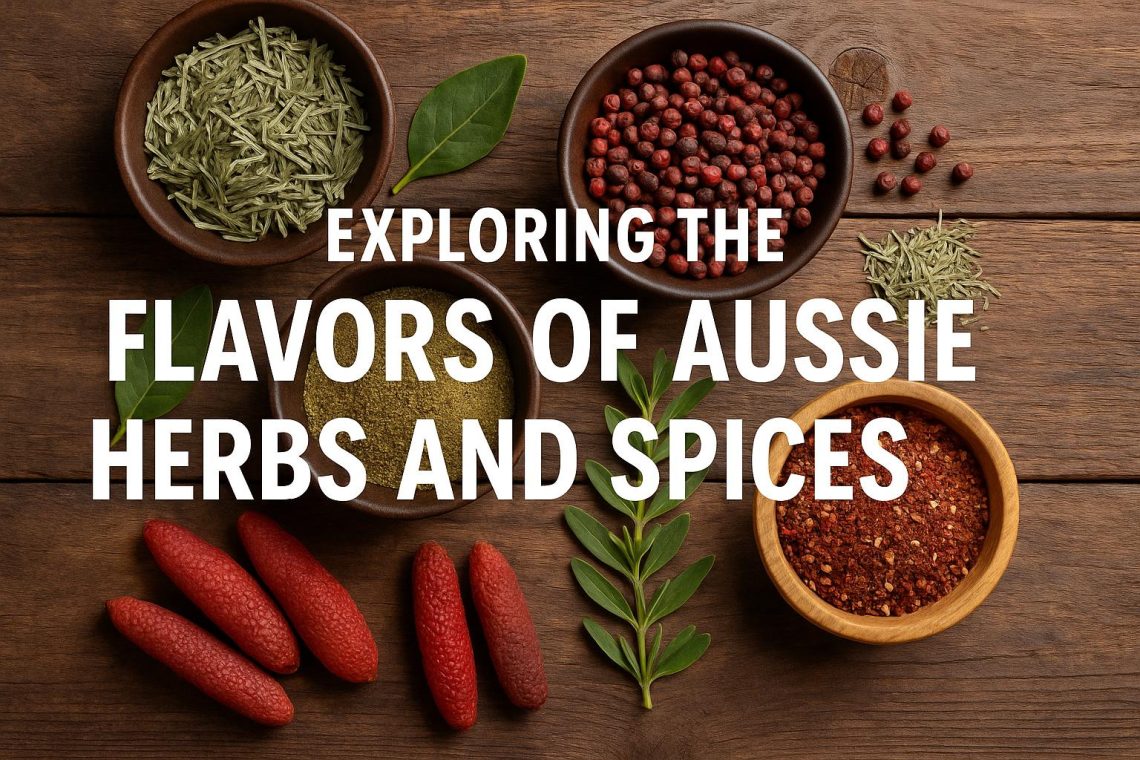
Exploring the flavors of Aussie bush herbs and spices.
Introduction to Australian Bush Herbs and Spices
Australia’s unique flora includes a rich array of native herbs and spices commonly known as “bush tucker.” These naturally occurring flavors have been utilized by Indigenous Australians for various purposes over thousands of years, spanning both culinary and medicinal domains. In recent years, contemporary awareness and interest in these native ingredients have grown, leading to their incorporation into modern culinary practices around the world.
Understanding the Unique Characteristics
The diversity of Australian bush herbs and spices is reflected in their intense and distinctive flavors. The vast and varied climates and soils across the Australian continent provide ideal conditions for the successful growth of these native plants. Their distinct taste and aromatic features have made them a meaningful addition to various culinary applications across different cultures.
The diversity and richness in flavor, which may at first seem quite foreign to some, provide an opportunity to explore culinary creations through a different lens. Understanding the unique characteristics of these herbs and spices allow cooks to experiment with flavors that harmonize or contrast with traditional ones, creating innovative dishes that reflect a blend of cultures.
Popular Australian Bush Spices
A prominent bush spice worth discussing is Mountain Pepper, scientifically named Tasmannia lanceolata. This spice flourishes in the cooler climates found in Tasmania and southern Victoria. Mountain Pepper is noted for its intense, peppery flavor, akin to conventional black pepper, making it a versatile spice for culinary use. Its leaves and berries can be used, and it serves as an excellent seasoning for meats and vegetables. Its bold palate offers a way to add complexity and depth to various dishes.
Another significant spice in the bush tucker pantry is the Wattleseed. This ingredient is known for its nutty flavor profile, enriched by hints of coffee and chocolate. Because of its versatility, wattleseed finds use in a wide range of culinary creations. Its usage extends to baked goods such as pastries and bread, and it makes a surprisingly delightful addition to ice creams and desserts. This adaptability lends itself to both sweet and savory applications, demonstrating the spice’s multifaceted utility.
Herbs That Offer Unique Flavors
When delving into the herbal side of bush tucker, Lemon Myrtle emerges as a standout. Known for its intense lemon scent and flavor, Lemon Myrtle is a highly aromatic herb often employed in both sweet and savory dishes. Its richness in citral gives it a more potent lemon flavor compared to the lemon fruit itself. Lemon Myrtle can be effectively included in diverse culinary formats: as a flavoring for teas, an ingredient in baked goods, or even as a marinade for meats to impart a zesty and refreshing taste.
Additionally, Anise Myrtle offers a distinctive sweet aniseed flavor, making it an intriguing choice for dessert-making. Its application can be found in recipes involving jams, desserts, and beverages, providing a novel nuance to conventional preparations. This particular herb allows chefs and home cooks to explore a slightly sweet yet herbaceous flavor, elevating standard recipes to new heights.
Incorporating Bush Ingredients in Cuisine
The incorporation of bush herbs and spices into everyday cooking brings an exciting opportunity for experimentation and flavor exploration. It is advised to start by using small quantities of these ingredients to assess their flavor intensity, gradually adjusting to suit personal taste preferences. Bush spices and herbs can be used to season a variety of dishes, enhance the flavors within salads, or add greater depth to sauces, creating a unique dining experience.
The integration of these native ingredients is being championed by many gourmet restaurants across Australia. These establishments aim to offer visitors and locals alike a taste of Australia’s rich and diverse landscape through their menus, featuring dishes that highlight the flavors of the land. By harnessing these flavors, chefs emphasize the connection between food and place, presenting diners with an authentic taste of the Australian environment.
For culinary enthusiasts interested in exploring these enticing flavors in their own kitchens, sourcing authentic Australian bush herbs and spices becomes a pertinent consideration. Resources, such as Australian Bush Spices, provide valuable information and avenues for acquiring these unique ingredients. Venturing into the world of bush tucker can add a new dimension to your culinary repertoire, fostering a broader appreciation for Australia’s rich natural heritage and the traditional knowledge of Indigenous Australians.
In conclusion, Australian bush herbs and spices offer a distinctive culinary experience characterized by their bold flavors and diverse applications. From the peppery note of Mountain Pepper to the nutty undertones in Wattleseed, and the aromatic scents of Lemon Myrtle and Anise Myrtle, these native plants present a palette of unique flavors waiting to be explored. By incorporating them into modern cuisine, chefs and home cooks alike can celebrate and share in Australia’s rich cultural and natural legacy.