
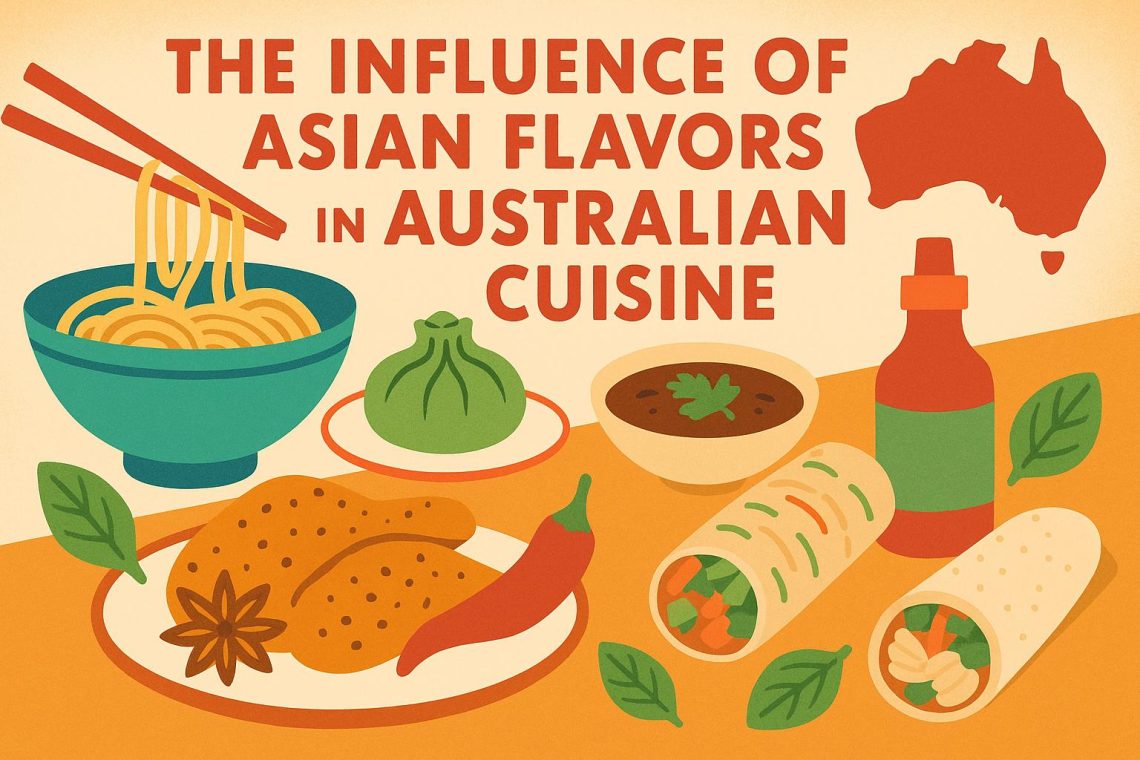
The influence of Asian flavors in Australian cuisine.
The Evolution of Australian Cuisine
Australian cuisine has evolved significantly over the past few decades, heavily influenced by the multicultural nature of its population. This culinary landscape showcases a blend of traditional elements with innovative twists derived from various cultures. The changing demographics and globalization have led to a vibrant food scene that is both diverse and dynamic.
Contribution of Asian Migration
The migration of Asian communities to Australia has significantly impacted the country’s food scene. Particularly since the late 20th century, the arrival of immigrants from countries such as China, India, Japan, and Southeast Asian nations has introduced diverse flavors, ingredients, and cooking techniques. This cultural exchange has enriched the Australian dining experience, adding depth and variety. Asian cuisine, with its emphasis on freshness, simplicity, and balance, has found a welcoming audience in Australia, contributing to the evolution of the nation’s culinary identity.
Prominent Asian Ingredients in Australian Kitchens
Certain Asian ingredients have become staples in many Australian households and restaurants. Commonly found in supermarkets and fresh food markets, their integration signifies the blend of culinary traditions. Some of these ingredients include:
Soy Sauce: Frequently used in marinades, dressings, and stir-fries, soy sauce offers a savory umami flavor that enhances a wide array of dishes. It serves as a bridge between traditional Australian meals and Asian flavors, allowing chefs to experiment with and refine classic recipes.
Ginger and Garlic: These root spices, often used together, add aromatic depth and are essential in numerous Asian and fusion dishes. Their versatility has made them popular not only in professional kitchens but also at home, where they are used to enliven everyday cooking.
Coconut Milk: Widely utilized in curries and desserts, it imparts a rich and creamy texture that complements both sweet and savory dishes. Its usage in Australian kitchens illustrates the versatility and adaptability of traditional recipes to incorporate new influences.
Lemongrass: Known for its citrus-like aroma, lemongrass is prominent in Asian-style soups and meats. It provides a refreshing note that resonates well with Australia’s focus on fresh and healthy food.
Asian Techniques in Australian Cooking
Beyond ingredients, cooking techniques from Asia have been embraced. Techniques such as stir-frying, steaming, and deep-frying are popular in Australian kitchens, providing both efficiency and flavor retention. Their adoption reflects a shift towards lighter, healthier ways of cooking that emphasize fresh and vibrant ingredients. Stir-frying, for example, allows for quick cooking while preserving the nutrients in vegetables and meats, a method that suits the busy lifestyle of many Australians.
The Role of Asian Restaurants
Asian restaurants are ubiquitous in Australia, from urban centers to smaller towns, offering authentic and fusion dishes alike. These establishments play a pivotal role in introducing traditional Asian meals to the Australian public, facilitating cultural appreciation and culinary innovation. Notably, cities like Sydney and Melbourne have become known for their dynamic Asian food scenes, featuring everything from street food to high-end dining experiences. The popularity of these restaurants underscores the Australian appetite for exploring new culinary horizons.
European Influences on Australian Cuisine
The influence of European cuisines on Australian food culture is profound and longstanding. From British colonization in the 18th century to post-World War II migrations from Italy, Greece, and other European countries, these influences have shaped both traditional and contemporary Australian dishes.
British Roots
The British influence remains evident in traditional Australian meals, particularly through dishes such as roasts, meat pies, and fish and chips. Over time, these staples have undergone adaptation, integrating local Australian ingredients to enhance their appeal.
Mediterranean Flavors
The influx of Greek and Italian immigrants introduced vibrant Mediterranean flavors to the Australian palate. Ingredients such as olive oil, wine, tomatoes, and a variety of herbs have transformed the food landscape, together with culinary practices that emphasize family dining and seasonal produce.
French Techniques
French cuisine has also left its mark, with many Australian chefs adopting French techniques such as pastry making and sauces. These techniques have become benchmark standards in many fine dining establishments across the country.
The Rise of Native Ingredients
Recently, there has been a resurgence of interest in native Australian ingredients, reflecting a growing recognition of Indigenous culinary heritage. Ingredients such as wattleseed, Kakadu plum, bush tomato, and finger lime are being increasingly incorporated into mainstream menus, offering unique flavors and nutritional benefits.
Indigenous Cooking Methods
Indigenous Australians have a rich culinary tradition that includes roasting meats over a fire and cooking in earth ovens. These methods highlight sustainable practices and seasonal awareness, encouraging a broader understanding and respect for the land.
The Modern Fusion Cuisine
Australian cuisine is continuously evolving, characterized by a willingness to experiment. This has led to fusion dishes that blend elements from various cultural backgrounds, creating new flavors and textures. Such innovation is celebrated in the vibrant atmosphere of food festivals and street markets.
The Culinary Future
The future of Australian cuisine looks promising, with an emphasis on sustainability, innovation, and cultural inclusivity. The interplay between traditional practices and modern creativity ensures that Australia’s culinary scene remains a significant player on the world stage.
For more insights into the global influence on Australian cuisine, exploring resources such as the SBS Food website can provide a broader perspective on this ongoing culinary evolution.