
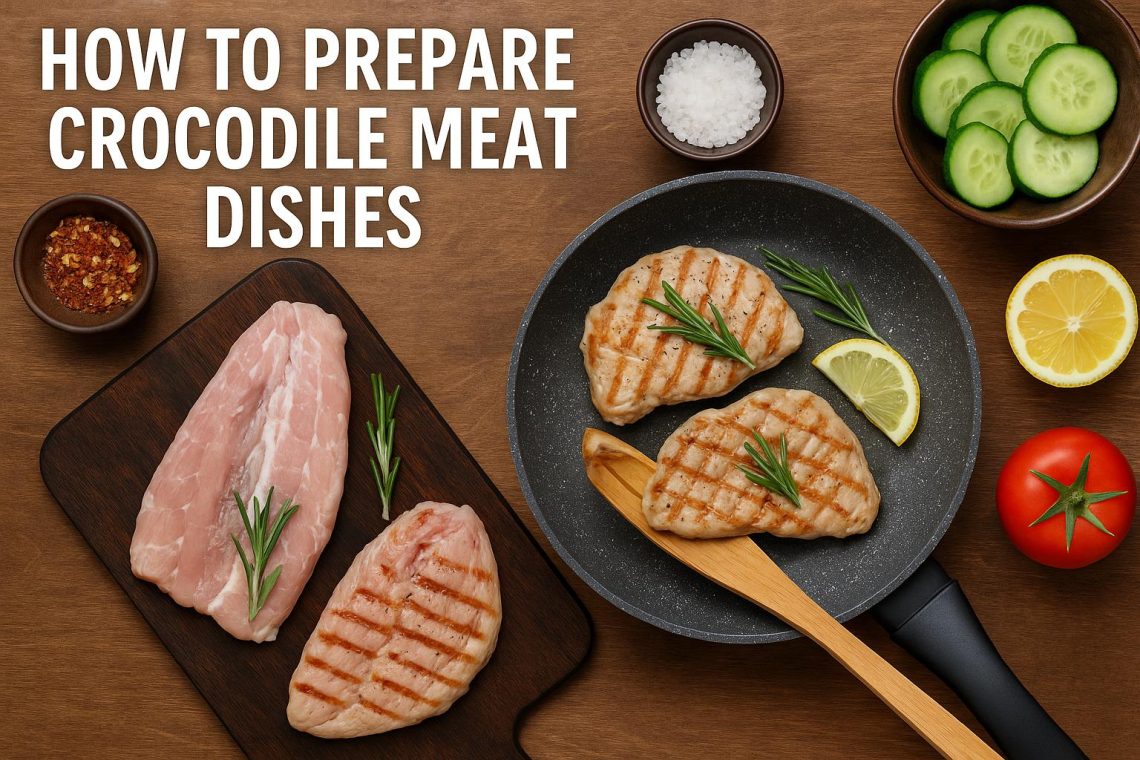
How to prepare crocodile meat dishes.
Introduction to Crocodile Meat
Crocodile meat, a delicacy cherished in various parts of the globe, marks its prominence due to its distinct taste and impressive nutritional profile. Frequently compared to chicken, yet firmer in texture, crocodile meat is renowned for being high in protein while maintaining a low fat content, a combination that’s appealing to health-conscious consumers seeking diversity in their dietary regimen. Despite initial perceptions of complexity in its preparation owing to its relative unfamiliarity, crocodile meat proves to be quite versatile, allowing for an array of cooking methods to suit different culinary preferences.
Selection and Storage
The journey to a pleasant culinary experience with crocodile meat begins with the meticulous selection of quality meat. Opting for fresh or properly frozen cuts is paramount. It is equally important to ensure the meat originates from a trustworthy source, as this minimizes potential health risks associated with contamination. Once procured, crocodile meat should be stored with care—refrigerated at temperatures below 5°C if it will be used soon, or deep-frozen at -18°C for prolonged storage, thereby retaining its flavor and texture.
Preparation Techniques
The preparation of crocodile meat is simplified by following certain proven techniques, starting with marination. Tenderizing the meat through marination is highly recommended. Typical marinades comprise lemon juice, olive oil, garlic, and a variety of herbs, each working synergistically to complement the inherently mild flavor of crocodile meat. The duration of marination can vary extensively based on personal preferences, ranging from a few hours to overnight.
Cooking Methods
A key to unlocking the delightful potential of crocodile meat lies in its adaptability to several cooking methods, each imparting a unique characteristic to the final dish. Let’s delve into a few common approaches:
Grilling: Grilling crocodile meat requires a moderated application of heat to avoid toughening. During grilling, basting the meat intermittently with the marinade or another chosen sauce is vital for maintaining its moisture and enhancing flavors.
Frying: For frying, it’s best to cut the crocodile meat into smaller pieces, which are then coated in seasoned flour or batter. Frying continues until the pieces achieve a golden-brown crust, indicative of the desired texture and taste.
Stewing: This method excels in rendering the meat tender. Slow-cooking in a concoction of vegetables, spices, and broth allows the flavors to meld harmoniously, creating a soothing and robust dish.
Serving Suggestions
Crocodile meat is exceptionally versatile in its pairings, often complemented by sides such as steamed vegetables, rice, or a fresh salad. Its chicken-like flavor, bolstered by a firmer bite, pairs effectively with bold accompaniments such as garlic, chili, or ginger, which enhance its unique taste profile while offering a balanced meal.
For those aspiring to expand their culinary horizon further, diving into crocodile meat dishes could be an exciting adventure. Culinary websites and cooking forums offer abundant resources and recipes that provide deeper insight into the intricate process of preparing exotic meats like crocodile. Through exploration and experimentation, both novice and seasoned cooks can discover innovative methods to attain exceptional gastronomic outcomes.
Expanding beyond the basic techniques, the adaptability of crocodile meat extends to incorporate various culinary styles and international influences. Dishes inspired by different global cuisines can emerge by integrating unique spices and local ingredients, thus tailoring experiences personal to individual and cultural tastes.
Understanding Cultural Significance
The consumption of crocodile meat is deeply rooted in the cultural practices of communities, particularly in regions where crocodiles are abundant. Historically, it has been a staple in certain diets, celebrated in cultural gatherings and traditional feasts that highlight the communal aspect of cooking and sharing meals. Recognizing the cultural significance of crocodile meat can aid in appreciating its culinary value and embracing its historical context.
Nutritional Insights
From a nutritional standpoint, crocodile meat is often lauded for its beneficial attributes. The high protein content supports muscle development and repair, essential for maintaining a healthy body. Meanwhile, its low-fat composition makes it an attractive option for those managing caloric intake. Additionally, crocodile meat is known to contain essential vitamins and minerals such as Vitamin B12, Omega-3 fatty acids, and other beneficial components, contributing to overall well-being.
Environmental and Ethical Considerations
Considering the environmental and ethical implications is vital when consuming exotic meats like crocodile. Sustainable sourcing practices ensure that the ecosystem is not adversely affected, promoting conservation efforts while supporting local economies. Ethical sourcing practices also emphasize the humane treatment of animals, ensuring that consumption aligns with contemporary standards of responsible eating.
As the culinary world continues to evolve, crocodile meat remains a symbol of both tradition and innovation in gastronomy. For culinary adventurers, embracing the cooking of crocodile meat is an opportunity to delve into a distinctive food experience, harnessing creativity and global influences to redefine meals and explore new tastes.
In summary, crocodile meat presents a unique opportunity for culinary exploration, balancing between tradition and modern cooking techniques. With careful selection, proper storage, meticulous preparation, and an open mind towards experimentation, one can transform an unfamiliar ingredient into a staple that offers both nutritional benefits and engaging dining experiences.