
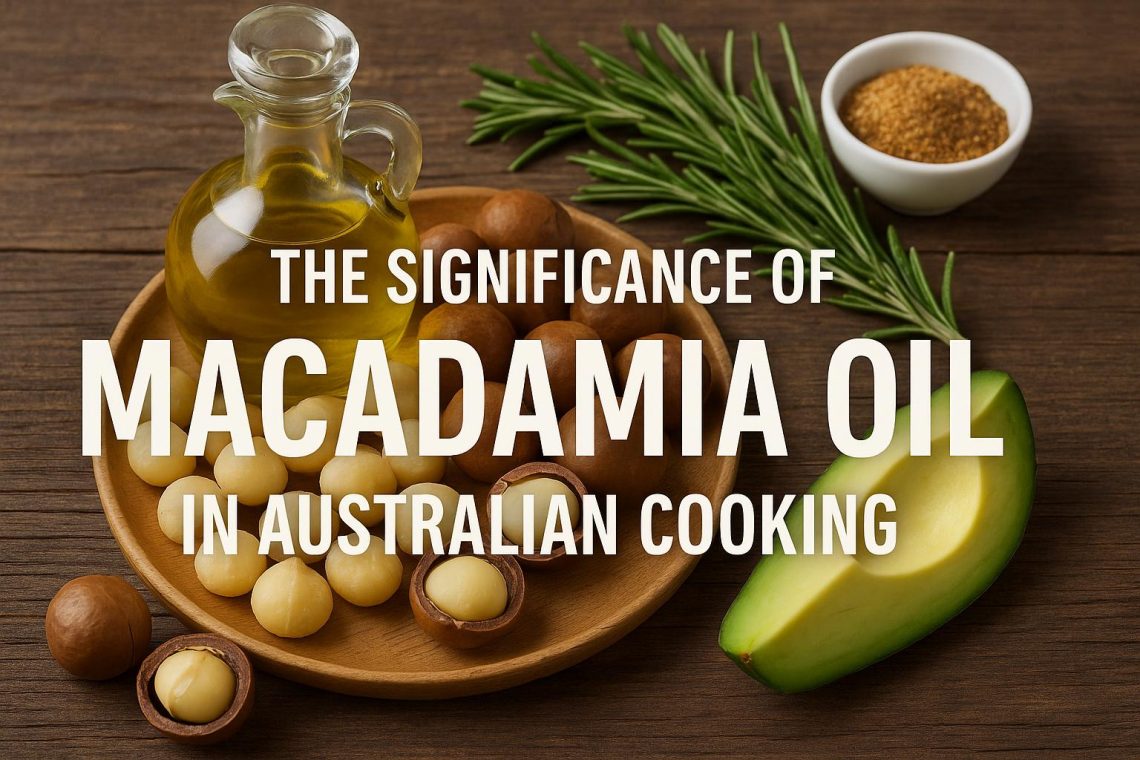
The significance of macadamia oil in Australian cooking.
The Rise of Macadamia Oil in Australian Cuisine
Macadamia oil has emerged as a notable ingredient in Australian cooking, garnering attention for its unique properties and versatile applications. Extracted from the nuts of the macadamia tree, which is native to Australia, this oil is renowned for its buttery flavor and nutritional benefits, making it a favorite among chefs and home cooks alike.
Unique Characteristics of Macadamia Oil
One of the defining features of macadamia oil is its high smoke point, which exceeds 200°C (about 400°F). This makes it suitable for a wide range of cooking techniques, including frying, roasting, and sautéing, without the risk of burning or losing its distinctive flavor. This high smoke point allows cooks to use macadamia oil in an array of culinary methods, providing a level of flexibility in the kitchen that few other oils can offer.
The oil is also prized for its health benefits. It is rich in monounsaturated fats, which are considered heart-healthy, and contains significant levels of oleic acid, vitamin E, and omega-3 fatty acids. These nutrient-rich components make it an excellent choice for those looking to improve their diet through healthier cooking fats. Monounsaturated fats help to reduce bad cholesterol levels, which can decrease the risk of heart disease. Additionally, the presence of omega-3 fatty acids can support brain health, making it a valuable addition to anyone’s diet.
Applications in Traditional and Modern Australian Dishes
In Australian cuisine, macadamia oil is employed in both traditional and contemporary dishes. Its delicate flavor complements the natural taste of locally sourced produce and seafood. For instance, macadamia oil is often used in salad dressings, lending a subtle nutty aroma that enhances fresh ingredients without overpowering them. This gentle enhancement makes it a versatile ingredient that can adapt to a variety of dishes, from light salads to more robust seafood preparations.
In modern cooking, chefs experiment with macadamia oil in innovative dishes, such as infused oils or vinaigrettes paired with native Australian herbs and spices. The oil’s versatility also allows it to be used in baking, where it imparts moisture and a mild nutty essence to baked goods. Whether it is used in a savory dish or a sweet treat, macadamia oil’s adaptable nature provides culinary professionals and home cooks with a unique tool to elevate their cooking.
This adaptability has enabled macadamia oil to become a staple in many Australian kitchens. As chefs continue to explore new possibilities, the oil’s role in Australian cuisine is likely to expand, with more innovative uses being discovered along the way. The potential for macadamia oil to serve as both a flavor enhancer and a healthful addition to dishes ensures its ongoing popularity and integration into Australian culinary traditions.
Sustainability and Local Production
The production of macadamia oil supports sustainable agricultural practices in Australia. Many producers emphasize environmentally responsible farming techniques, which contribute to a reduction in the carbon footprint. By prioritizing sustainable farming methods, macadamia producers ensure that their practices are not only beneficial for consumers but also for the environment. This commitment to sustainability reflects the growing awareness and importance of responsible agricultural practices within the food industry.
Moreover, the growing popularity of macadamia oil helps boost the local economy by creating demand for Australian-grown macadamias and fostering a market for regionally made products. The macadamia industry plays a crucial role in supporting local communities by providing jobs and strengthening the economy in regions where macadamia trees are cultivated. As demand continues to rise, the industry is expected to grow, further contributing to economic development and prosperity in these areas.
In addition to economic benefits, the use of locally sourced macadamia oil helps promote Australian culture and traditions. By emphasizing local ingredients and methods, macadamia oil producers reinforce the country’s rich natural heritage and showcase Australia’s culinary potential to the world. This cultural promotion is vital in maintaining Australia’s identity and highlighting the unique aspects of its food landscape.
Conclusion
In summary, macadamia oil has become an essential component of Australian cooking, valued for its unique taste, health benefits, and adaptability across numerous culinary applications. Its role in traditional and modern dishes, combined with a commitment to sustainable production, underscores the significance of macadamia oil in the Australian food landscape. Chefs and home cooks alike appreciate the oil’s ability to enhance flavors while providing nutritional benefits, making it an attractive option in a wide variety of recipes.
The rise of macadamia oil in Australian cuisine also signifies a broader movement towards utilizing local and sustainable ingredients, reflecting a commitment to both health and environmental concerns. As the global food industry continues to evolve, macadamia oil stands out as a prime example of how traditional ingredients can be embraced and adapted to meet modern culinary demands.
In the future, it is likely that the popularity of macadamia oil will continue to grow, as more people become aware of its distinctive qualities and wide-ranging benefits. This growth will further solidify its place within Australian cuisine, ensuring that macadamia oil remains a cherished and valuable component of the country’s vibrant and diverse food culture. For more detailed information on Australian agriculture and macadamia oil, you can visit Australian Macadamias.