
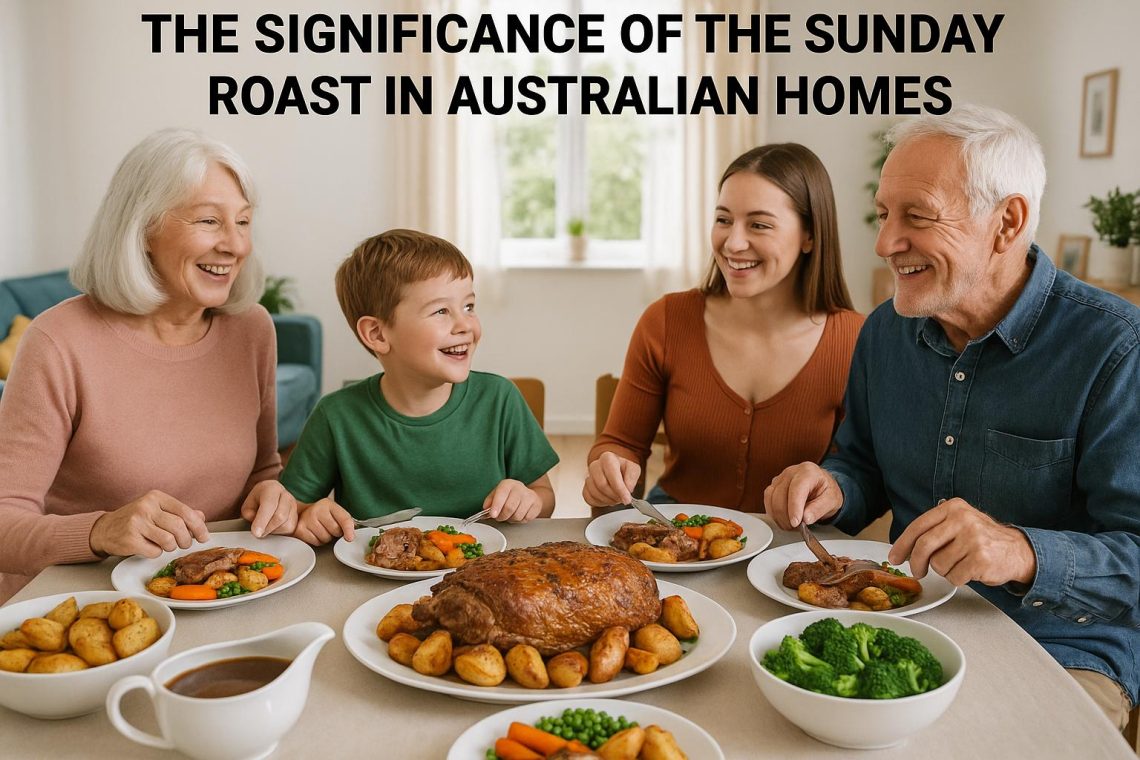
The significance of the Sunday roast in Australian homes.
The Cultural Importance of Sunday Roast in Australia
In many Australian homes, the Sunday roast holds a special place, evolving from a British tradition and adapting to the local culture and environment. This customary meal typically consists of a roasted piece of meat, such as beef, lamb, chicken, or pork, accompanied by various side dishes.
Historical Context
The tradition of the Sunday roast in Australia is deeply rooted in the country’s colonial past. Early settlers from Britain brought with them their culinary practices, including the Sunday roast, which became a staple in Australian homes. As families gathered to enjoy this hearty meal, it served not just to satisfy hunger but also as a symbol of familial unity and celebration. As the British settlers established themselves in a new and unfamiliar land, the Sunday roast offered a sense of normalcy and continuity, bridging their old world with the new.
Adapting to Local Produce
Australia’s abundant agricultural landscape has allowed the Sunday roast to be more than just a replication of British customs. The use of locally sourced ingredients, such as native herbs and vegetables, has given the Australian Sunday roast a unique flare. For example, incorporating locally grown vegetables like carrots, potatoes, and pumpkin adds a distinctive touch that reflects Australia’s agriculture. Many modern versions of the meal also embrace indigenous Australian ingredients, incorporating spices and flavors that contribute to a richer and more diverse gustatory experience.
Local adaptations not only extend to the choice of ingredients but also to cooking techniques and accompanying elements. The traditional British roast might strictly consist of a joint of meat cooked in an oven, but Australian variations sometimes include meats cooked on a barbecue, highlighting the country’s tradition of outdoor cooking. The barbecue itself is an Australian cultural hallmark, further linking the Sunday roast to Australian identity.
Contemporary Observance
In today’s fast-paced world, the Sunday roast remains a cornerstone for bringing families together. In many households, it serves as a time to gather, reflect, and share experiences of the past week while indulging in a meal that has stood the test of time. It is less about strict adherence to traditional recipes and more about the act of coming together. Families with diverse backgrounds living in Australia often incorporate their unique culinary traditions, resulting in Sunday roasts that might include a variety of international flavors and techniques.
Many restaurants and eateries offer their take on the Sunday roast, inviting diners to experience this tradition even if home-cooked meals might not be feasible. Dining out for a Sunday roast can be a way for city dwellers to stay connected to tradition amid urban living. This blend of dining options ensures that the Sunday roast continues to be relevant in contemporary society, offering flexibility and variety while respecting its cultural roots.
The Role of Sunday Roast in Community and Identity
The Sunday roast is also a reflection of the community and identity in Australia. It serves as a reminder of the country’s colonial past while highlighting its multicultural present. As Australia has become a melting pot of cultures, people from various backgrounds have infused their own tastes and traditions into the Sunday roast, making each meal a unique expression of personal and cultural identity. These adaptations can range from adding traditional family recipes to the meal or using spices and condiments popular in a particular community.
Furthermore, the Sunday roast continues to play a ceremonial role during holidays and significant family events, strengthening its significance as a cultural institution. It often serves as the meal of choice for celebrations such as Easter and Christmas, further cementing its place in Australian cultural life. This continued relevance during key events is a testament to its enduring legacy and importance in the social fabric of the nation.
Conclusion
The Sunday roast in Australia is more than just a meal; it is a cultural tradition that serves as a link between the past and the present. It represents a blend of British culinary legacy adapted to the Australian environment. Despite modern changes in lifestyle and dietary preferences, the Sunday roast continues to be cherished, symbolizing family and community cohesion. Its evolving nature illustrates the dynamic interaction between tradition and innovation in Australian society.
Future generations will likely continue to transform the Sunday roast, reflecting the changing values and demographics of the country. Yet its core purpose—bringing people together—remains steadfast, ensuring its place in Australian cultural heritage for many years to come. Sunday roast serves as a culinary canvas that tells the story of belonging, diversity, and unity in Australia.
For further reading on Australian culinary traditions, one might explore resources provided by Taste.com.au or Australia.com.