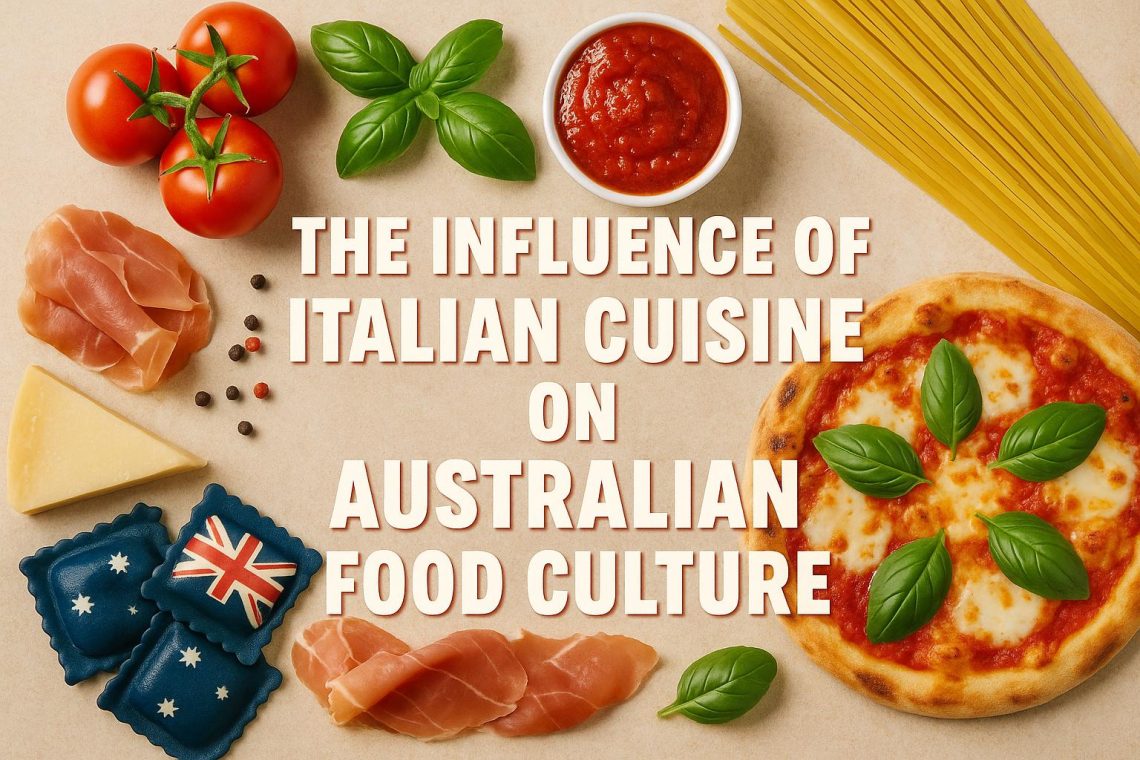
The influence of Italian cuisine on Australian food culture.
The Introduction of Italian Cuisine to Australia
The influence of Italian cuisine on Australian food culture is a significant, multi-faceted phenomenon. Italian immigrants began arriving in Australia in large numbers during the mid-20th century. With them came unique culinary traditions that have since become deeply ingrained in the Australian food landscape.
Post-War Immigration
After World War II, Australia invited a wave of Italian immigrants, which profoundly shaped its societal and cultural fabric. This migration period marked the beginning of an influx of Italian culinary traditions that were notably distinct from the existing food culture rooted in British influences.
During this time, many Italians moved to urban areas such as Melbourne and Sydney, where they established communities that served as cultural hubs for these newcomers. This migration helped facilitate the introduction and diffusion of Italian cuisine across various social strata, eventually spreading to more suburban and rural settings.
Transformation of Eating Habits
With the introduction of Italian cuisine, staple foods such as bread, olive oil, garlic, and fresh vegetables became more prevalent in Australian households. Traditional Italian dishes like pasta, pizza, and risotto began replacing the more typical English-style meals. Freshness, simplicity, and the use of quality ingredients are key principles in Italian cooking, and these ideas began to permeate Australian culinary practices.
For many Australians, these changes were gradual and marked by initial curiosity. The unfamiliar sights and smells of Italian food markets and delis incited intrigue. Gradually, these Italian staples found their way onto Australian dinner tables, bringing color and variety to what was once a monotone culinary rotation.
Integration into Australian Cuisine
Over time, Italian food became a cornerstone of contemporary Australian dining. The availability of Italian ingredients grew as markets responded to increased demand, and numerous Italian restaurants emerged, heralding new dining experiences for Australians. These establishments demonstrated the importance of seasonal produce and laid a foundation for the burgeoning new Australian cuisine.
Alongside restaurants, food festivals and community events celebrating Italian culinary arts began to proliferate, further embedding these traditions into the cultural landscape. Cooking classes and demonstration events introduced many Australians to the art of Italian cuisine, fostering a deeper understanding and appreciation for the techniques and ingredients that make it distinctive.
The Evolution of Italian Dining in Australia
Regionally inspired Italian dishes have diversified the Australian palate. Initially centered around southern Italian cuisine, the influence broadens over time to include specialties from regions like Tuscany, Liguria, and the Veneto. This integration introduced a wider array of flavors and cooking techniques to the local food scene.
As awareness of these regional differences grew, so too did the sophistication of Italian dining options within Australia. Restaurants began to specialize, offering menus dedicated to specific regions of Italy, providing Australians with richer, more authentic experiences. These regional influences have given rise to a myriad of dining possibilities, from rustic trattorias serving hearty, robust dishes to fine dining establishments offering refined interpretations of traditional fare.
Italian Food in Modern Australian Culture
Today, Italian food is so entwined with Australian lifestyle choices that it’s nearly inseparable. Australian chefs often credit Italian cooking for inspiring a respect for ingredient-led dishes with simple but bold flavors. Classic Italian dishes have evolved into Australian staples, and this culinary exchange has elevated Australia’s food culture to new heights.
Even beyond dedicated Italian restaurants, elements of Italian cuisine are evident across diverse food establishments. From artisanal gelato shops to pizzerias and espresso bars, Italian influence is omnipresent. Italian culinary elements often feature prominently in fusion cuisines, demonstrating the flexibility and timeless appeal of Italian cooking principles.
Australian consumers continue to embrace Italian culinary innovations, from authentic Neapolitan pizzas crafted in wood-fired ovens to the more contemporary creations of renowned chefs who infuse Italian classics with local ingredients such as bush spices or native seafood.
Influence on Australian Gastronomy
The legacy of Italian influence in Australia is evident in high-end dining as well as in simple, everyday meals. Contemporary Australian cuisine often mirrors the Italian emphasis on fresh ingredients and respect for tradition while also incorporating indigenous flavors and international influences, leading to an innovative and diverse gastronomy.
Many Australian chefs have risen to international fame by creatively blending the culinary customs of their heritage with those of Italy, leading to a vibrant haute cuisine scene that continues to earn accolades. The focus on quality and creativity, championed by Italian immigrant restaurateurs and chefs, established new standards for the dining industry that have become a hallmark of Australian gastronomy.
At the same time, everyday dishes enjoyed by families and individuals throughout Australia reflect a seamless blend of these two cultures, as home cooks blend Italian methods with local flavors in their kitchens.
Conclusion
The impact of Italian cuisine on Australian food culture is profound and enduring. From altering food preferences to influencing the national identity in the culinary realm, Italian cuisine has significantly shaped how Australians experience and enjoy their food. Italian culinary tradition continues to be celebrated and adapted within Australia, underlining the critical role of migration in enriching a country’s cultural and culinary landscape.
In essence, Italian cuisine in Australia serves as a testament to the power of cultural integration through food, showing how the sharing of one culture’s culinary delights can not only enhance everyday life but also foster a broader appreciation for diversity and history in the shared human experience. Through its continued evolution and presence, Italian cuisine remains a beloved and integral part of Australian identity, bridging communities and generations as it writes a unique, delicious chapter in Australia’s gastronomic history.