The impact of Greek migration on Australian food.
Introduction to Greek Migration to Australia
Greek migration to Australia has had a profound impact on the country’s culinary landscape. This movement began in the early 20th century and has enriched Australia’s food culture, contributing to the diverse array of cuisines available today. The Greek community has played a pivotal role in shaping not only the way Australians eat but also the broader appreciation of culinary diversity.
Historical Background
The influx of Greek migrants to Australia began in earnest in the post-World War II period. This migration was driven by various economic and social factors, such as the search for better economic opportunities and the instability experienced in war-torn Europe. Greek migrants viewed Australia as a land of promise, where they could build new lives and contribute to society. With thousands seeking new opportunities, they brought with them rich culinary traditions that would soon integrate into the Australian food scene. This period marked the beginning of a significant exchange of cultural gastronomic traditions that have left a lasting impression on both societies.
Influence on Ingredients
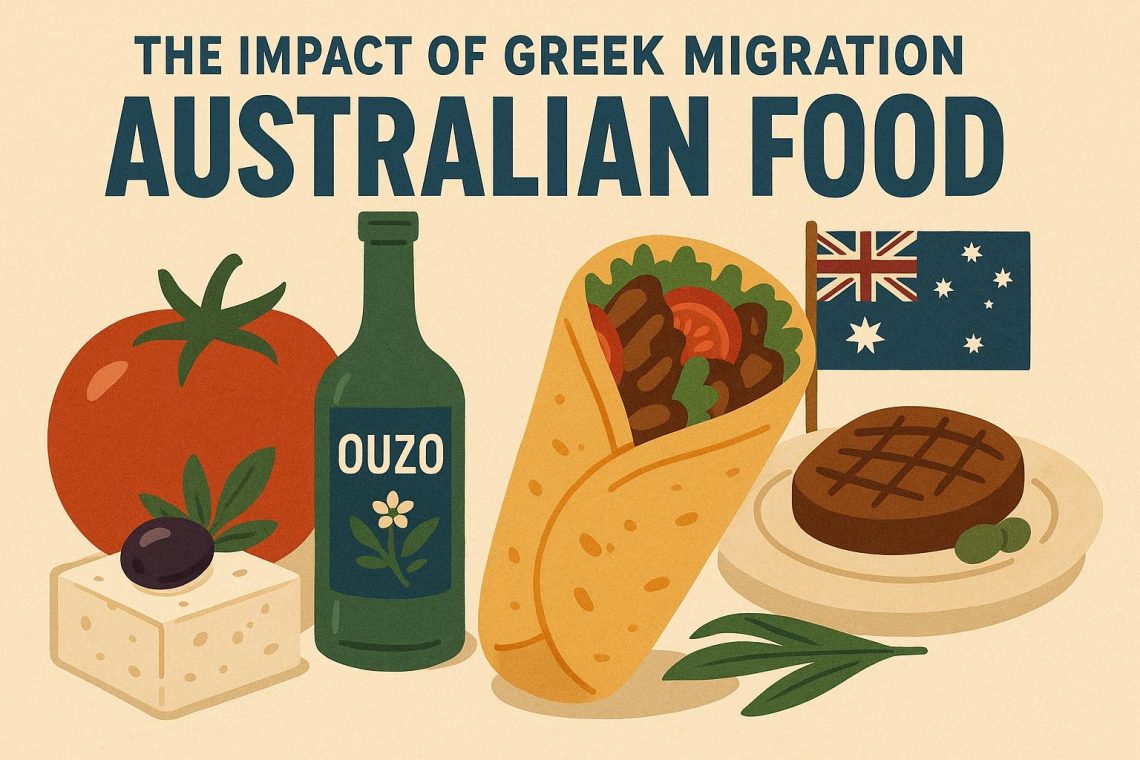
One of the significant contributions of Greek migration is the introduction and popularization of certain ingredients. Olive oil, feta cheese, and herbs like oregano and thyme have become staples in many Australian households. These ingredients have enriched the Australian palate, offering a healthier alternative to heavier cooking fats and elevating the prominence of fresh, robust flavors. The availability and use of fresh produce, especially vegetables like tomatoes and cucumbers, reflect this influence. The incorporation of these ingredients into mainstream Australian cooking has furthered the appreciation of Greek culinary practices.
Introduction of Greek Dishes
Greek dishes have gained popularity across Australia, with items such as moussaka, souvlaki, and spanakopita becoming well-known. Restaurants serving authentic Greek cuisine offer Australians a taste of the rich Mediterranean flavors, characterized by the use of olive oil and fresh herbs, accentuated by lemon. These dishes not only introduce variety but also provide insights into the culture and traditions of Greece. The manner in which these foods have been embraced by Australians is indicative of how culinary practices can bridge cultural gaps.
The Role of Greek-Australian Festivals
Greek-Australian festivals serve as a vibrant platform for showcasing Greek culinary traditions. Events such as the Antipodes Festival in Melbourne allow visitors to experience Greek food in all its authenticity. These festivals are significant in promoting cultural exchange and understanding. They provide an opportunity for Australians to engage with Greek culture beyond food, including traditional music, dance, and art. Festivals act as a driving force in preserving and promoting Greek heritage within Australia, strengthening communal bonds, and fostering intercultural dialogue.
Fusion Cuisine
The melding of Greek and Australian culinary techniques has resulted in a unique fusion cuisine. This blend often features traditional Greek recipes adapted with local Australian ingredients, creating innovative dishes that hold broad appeal. Fusion cuisine demonstrates the flexibility and adaptability of Greek culinary arts, inspiring new interpretations and expansions of traditional recipes. It represents the dynamic nature of cultural exchange, where culinary traditions are not only preserved but also reimagined to fit new contexts and tastes.
Long-term Cultural Impact
The influence of Greek migration on Australian food extends beyond the introduction of dishes and ingredients. It has played a crucial role in shaping the country’s broader approach to multiculturalism within its food culture. Greek culinary traditions continue to inspire both professional chefs and home cooks, promoting experimentation and a mix of cultural practices. The integration of Greek food into the Australian diet suggests a wider acceptance and celebration of diversity. It provides a model of how multiculturalism can thrive culturally and gastronomically, adding layers of complexity and variety to the nation’s cuisine.
Conclusion
The Greek community’s impact on Australian food is a testament to the enduring and dynamic nature of cultural exchange. The culinary journey that began with early 20th-century migrants has culminated in a rich and vibrant food culture that reflects the values of inclusivity and diversity. As both traditions continue to evolve, the influence of Greek migration will remain a vital part of Australia’s culinary identity. It’s a continuously evolving narrative where each dish, ingredient, and festival stands as a symbol of the deep-rooted connections between the two countries. For a deeper dive into the cultural exchange between Greece and Australia, consider exploring resources available through cultural organizations and academic studies. The story of Greek migration and its culinary contributions offers a narrative of shared human experiences, highlighting the ways in which food starts conversations and builds bridges between disparate cultures.