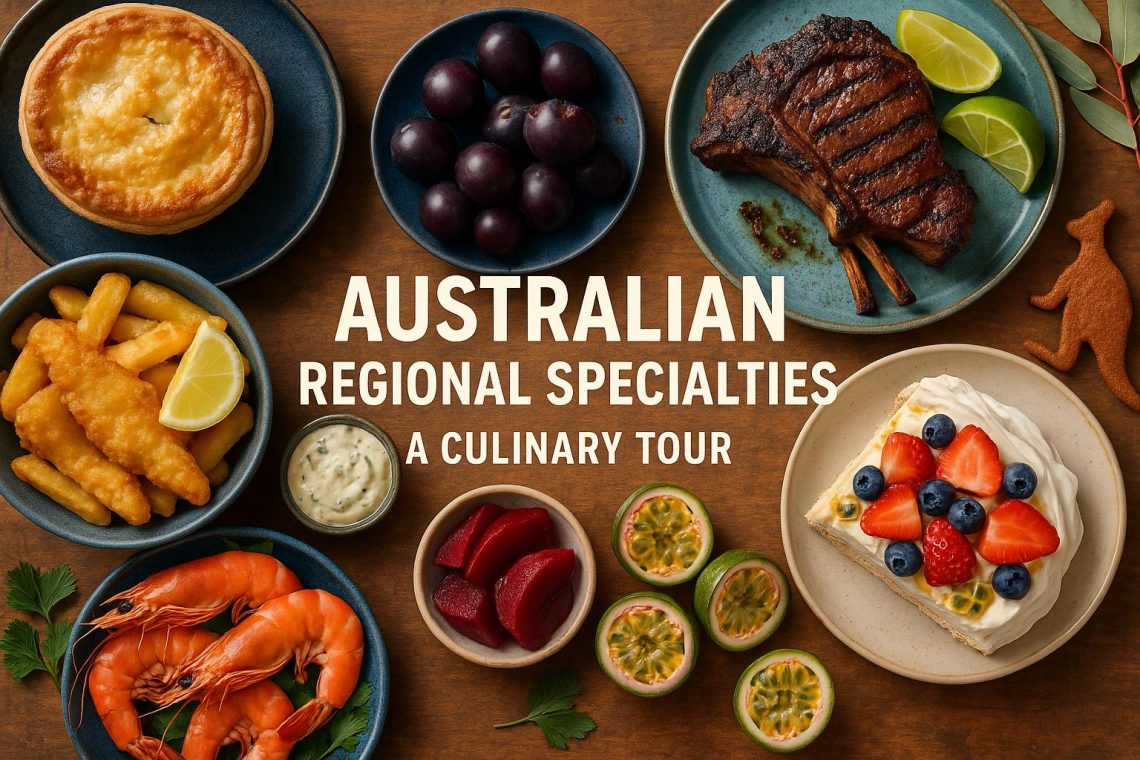
Australian regional specialties: A culinary tour.
Introduction to Australian Regional Specialties
Australia, a vast land of diverse landscapes, offers an array of unique culinary experiences that vary from one region to another. Each area of the country boasts distinct ingredients and traditional dishes that reflect its history and natural resources. This article takes a closer look at some of the regional specialties that define Australian cuisine.
The Tropical Flavors of Queensland
Queensland, known for its sun-kissed beaches and lush rainforests, brings forth a plethora of tropical flavors that make it a culinary paradise. The state capitalizes on its abundant supply of fresh fruits and seafood, offering dishes that are both flavorful and refreshing. Among its seafood offerings, the Moreton Bay Bugs stand out. They are often prepared either grilled to perfection or incorporated into a chilled salad, allowing the natural flavors to shine.
Fruit cultivation thrives in Queensland’s warm climate. Mangoes, pineapples, and bananas take center stage in many local dishes. These fruits are utilized in a variety of culinary techniques, from desserts like mango pavlova to savory dishes where pineapple might be a key component. The emphasis on fresh and vibrant flavors makes Queensland’s cuisine a reflection of its bountiful natural resources.
Exploring the Northern Territory’s Bush Tucker
The Northern Territory offers an introduction to traditional Indigenous Australian cuisine with its authentic bush tucker. This area allows visitors to delve into a culinary tradition that has been passed down for generations. Key ingredients include witchetty grubs, a source of protein traditionally eaten by Indigenous Australians, and green ants, which are known for their citrusy flavor. Additionally, items like bush tomatoes and native berries are incorporated into contemporary dishes.
Local chefs often experiment with these ingredients, integrating them into modern culinary practices. This fusion of traditional and contemporary flavors results in a rich tapestry of tastes that pay homage to the region’s heritage while also embracing innovation.
New South Wales’ Oceanic Delights
With its extensive coastline, New South Wales is well-positioned to offer a bounty of fresh seafood. This coastal state, particularly famous for its capital city Sydney, boasts seafood that is integral to its culinary reputation. Among the prized offerings are Balmain Bugs and Sydney rock oysters, both of which are celebrated for their quality and taste.
The Hunter Valley, renowned for its wine production, complements the seafood perfectly. The region’s wines pair exquisitely with its oceanic delicacies, enhancing the dining experience. This combination of fresh seafood and fine wines makes New South Wales a gourmand’s dream destination, reflecting both the natural abundance and skilled craftsmanship present in the region.
South Australia’s Renowned Wines and More
South Australia is internationally lauded for its contribution to the wine industry, with regions such as the Barossa Valley garnering global attention. The state’s expertise in wine production sets the foundation for its culinary offerings, but its specialties extend far beyond grapes. Kangaroo Island’s Ligurian honey, known for its purity and depth of flavor, and the coveted Coffin Bay oysters highlight the region’s diverse productions.
Moreover, South Australia takes pride in its preparation of lamb and game meats, often showcasing these proteins in innovative dishes. The local cuisine is a testament to the state’s agricultural prowess and culinary creativity, intertwining local ingredients with techniques that honor their quality.
Victoria’s Culinary Innovation
Victoria, with its multicultural epicenter of Melbourne, stands as a hub of culinary innovation. The city’s vibrant dining scene reflects influences from around the world, yet proudly anchors itself in local produce. Notably, Gippsland cheese represents the region’s strong dairy industry, contributing to an array of sophisticated dishes.
The area is also known for its production of Victorian duck, which highlights the region’s rich agricultural backdrop. By championing local resources, Victorian gastronomy celebrates traditional ingredients while encouraging creativity and diversity in its culinary repertoire.
Tasmania’s Pristine Produce
The pristine environment of Tasmania plays a key role in its reputation for high-quality, natural produce. The island’s isolation has nurtured an ecosystem ideal for the production of premium ingredients. Among them, Tasmanian salmon and cheeses are particularly renowned, often featured in dishes that emphasize purity and flavor.
Furthermore, Tasmania’s cool climate lends itself to the growth of exquisite ingredients like black truffles, which are sought after by chefs within Australia and beyond. The island’s apples lead to the creation of premium ciders, showcasing the versatility and quality of local produce.
Western Australia’s Diverse Offerings
Spanning one-third of the continent, Western Australia’s vastness contributes to a wide range of culinary offerings. The state’s landscape encompasses everything from fertile agricultural lands to untouched coastal regions, each contributing their unique flavors to the region’s cuisine.
Manjimup is famed for its exquisite truffles, considered some of the finest in the world. In contrast, the state’s coastal waters offer seafood delicacies such as emperor fish and marron, a freshwater crayfish that is particularly popular. This diversity in offerings epitomizes the breadth of experiences available in Western Australia’s culinary landscape.
For those interested in delving deeper into the rich tapestry of Australian regional specialties, numerous culinary resources stand ready to educate and inspire. From cooking workshops to detailed guides on regional cuisines, these resources provide invaluable insights. They can introduce you to recipes, offer cooking tips, and offer a deeper understanding of how local ingredients distinctly shape Australia’s food culture.