The origins of fairy bread as a party staple.
The Origins of Fairy Bread
Fairy bread, a simple yet iconic party treat, has been a beloved staple in Australia and New Zealand for generations. Its colorful appearance has become synonymous with children’s birthday parties and festive gatherings. Understanding the origins of this delightful snack adds a layer of cultural appreciation to its consumption.
Historical Background
The first documented mention of fairy bread appears to date back to a Scottish reference in the 1880s. However, it gained significant popularity in Australia and New Zealand in the early 20th century. The term itself may have been inspired by a poem called “Fairy Bread” by Scottish author Robert Louis Stevenson, which was published in his 1885 collection, A Child’s Garden of Verses. While the poem does not describe the confectionery, the whimsicality fits the treat’s playful aesthetic.
Recipe and Ingredients
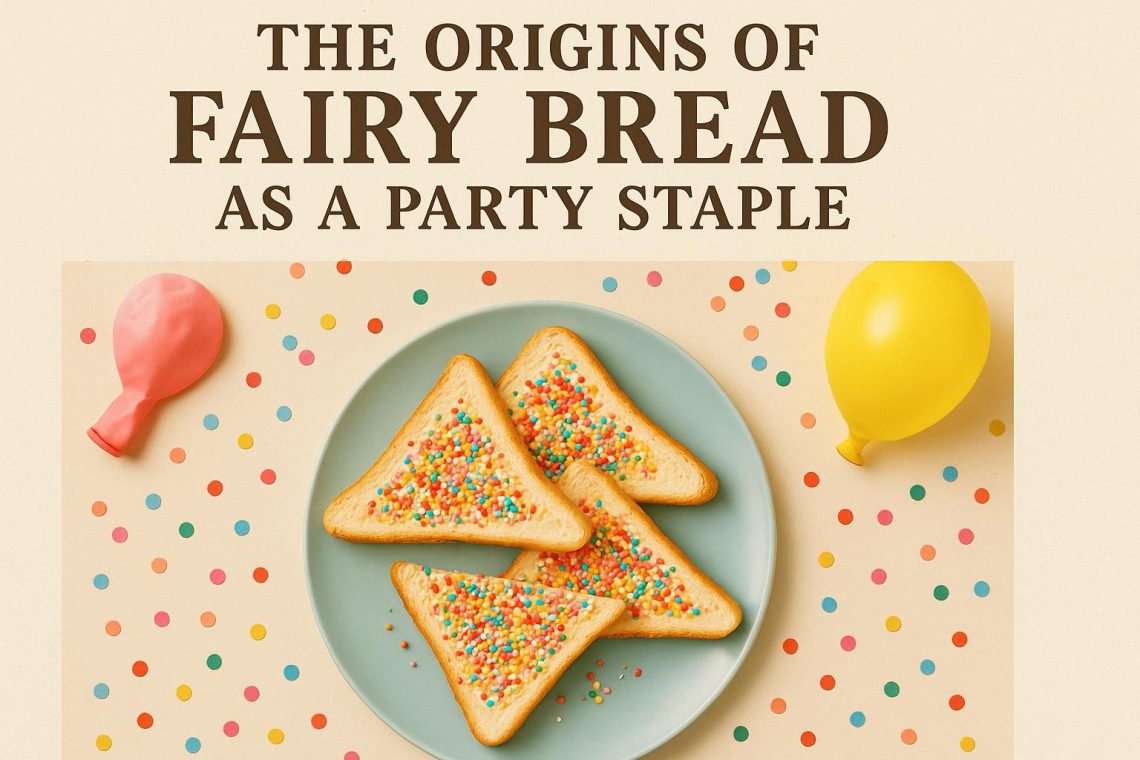
Fairy bread is remarkably simple to prepare, consisting merely of three key ingredients: sliced white bread, butter or margarine, and colorful sugar sprinkles, often referred to as “hundreds and thousands” in Australia. The bread is first spread with butter, and the sprinkles are evenly spread over the top. It’s typically cut into triangles, enhancing its appeal to children.
Cultural Significance
The simplicity of fairy bread contributes to its status as a cherished cultural icon at gatherings. In Australia and New Zealand, it not only symbolizes childhood nostalgia but also embodies the joy of community and celebration. It often serves as an introduction to baking or party hosting for young children, who are enchanted by its vibrant hues.
Modern Adaptations
While traditional fairy bread remains popular, modern variations have emerged, reflecting diverse culinary influences. Some contemporary adaptations involve using wholemeal bread or diverse types of spreads, catering to a broader array of dietary preferences. Despite these innovations, the classic version with its simple ingredients maintains its prominent place at party tables.
For those interested in exploring more about culinary traditions, various resources and books can offer deeper insights into fairy bread’s enduring appeal across generations. Understanding its history not only enriches an appreciation for this charming treat but also for the cultural practices that sustain its popularity.
Exploring the Roots and Influence of Fairy Bread
Fairy bread’s impact extends beyond its delightful appearance and taste, touching the cultural identity of those who grew up enjoying it. This connection fosters a shared tradition that continues to be passed down through generations.
Mythical Inspirations and Cultural Influences
While the poem by Robert Louis Stevenson is a popular reference for the term “fairy bread,” the roots of the treat might also be linked to the rich folklore surrounding fairies in Celtic cultures. The magical quality of the sprinkles can be likened to fairy dust, turning an ordinary slice of bread into something extraordinary.
Symbol of Celebratory Tradition
In both Australia and New Zealand, fairy bread is often the centerpiece at children’s parties, emphasizing the tradition of celebrating milestones with simple yet cherished customs. The act of preparing and sharing fairy bread is a ritual, bringing together families and friends in celebration.
Variations Across the Regions
Despite its simplicity, fairy bread’s preparation can vary slightly across different regions. Some households may add a touch of modernity with unique spreads or alternative bread types, yet the core concept remains unchanged. This adaptability is part of its charm, allowing the tradition to evolve while staying rooted in its origins.
The Social Aspect of Fairy Bread
Fairy bread serves as more than just a treat; it is a communal experience. The communal aspect of preparing and consuming fairy bread contributes to its enduring popularity, as it provides a platform for interaction and enjoyment, strengthening social bonds.
Preserving a Culinary Icon
The enduring appeal of fairy bread is evident in its consistent presence at gatherings and events. Preserving its cultural significance means embracing both traditional recipes and contemporary interpretations, allowing it to continue delighting both the young and the young at heart.
Helping New Generations Embrace Tradition
Introducing fairy bread to new generations involves maintaining its enchanting simplicity while perhaps incorporating healthier options that cater to modern dietary trends. Encouraging children to partake in making fairy bread can instill a sense of tradition and pride in their cultural heritage.
Educational Opportunities and Culinary Lessons
Classroom activities centered around making fairy bread can provide educational benefits, such as teaching basic cooking skills and fostering discussions about cultural heritage and tradition. These activities can enrich students’ understanding of food as a cultural artifact.
Cultural Exchange and Global Appeal
While fairy bread remains primarily rooted in Australian and New Zealand culture, its uniqueness and simplicity have piqued interest beyond these borders. Sharing this treat with the wider world can facilitate cultural exchange and offer global taste buds a glimpse into these regions’ joyful culinary practices.
Continuity Through Innovation
The continuity of fairy bread tradition relies on innovation without losing sight of its original charm. Trying new versions with different ingredients, such as non-dairy spreads or gluten-free bread, ensures inclusivity while honoring a cherished classic.
Ultimately, fairy bread’s resilience as a cultural icon lies in its ability to adapt while preserving the core essence that has endeared it to generations. As an embodiment of simplicity, celebration, and communal enjoyment, fairy bread continues to hold a special place at the heart of gatherings, transcending time as it brings people together.